
How Automated Trading is Transforming Financial Markets
Crypto Market Safety and Ethics
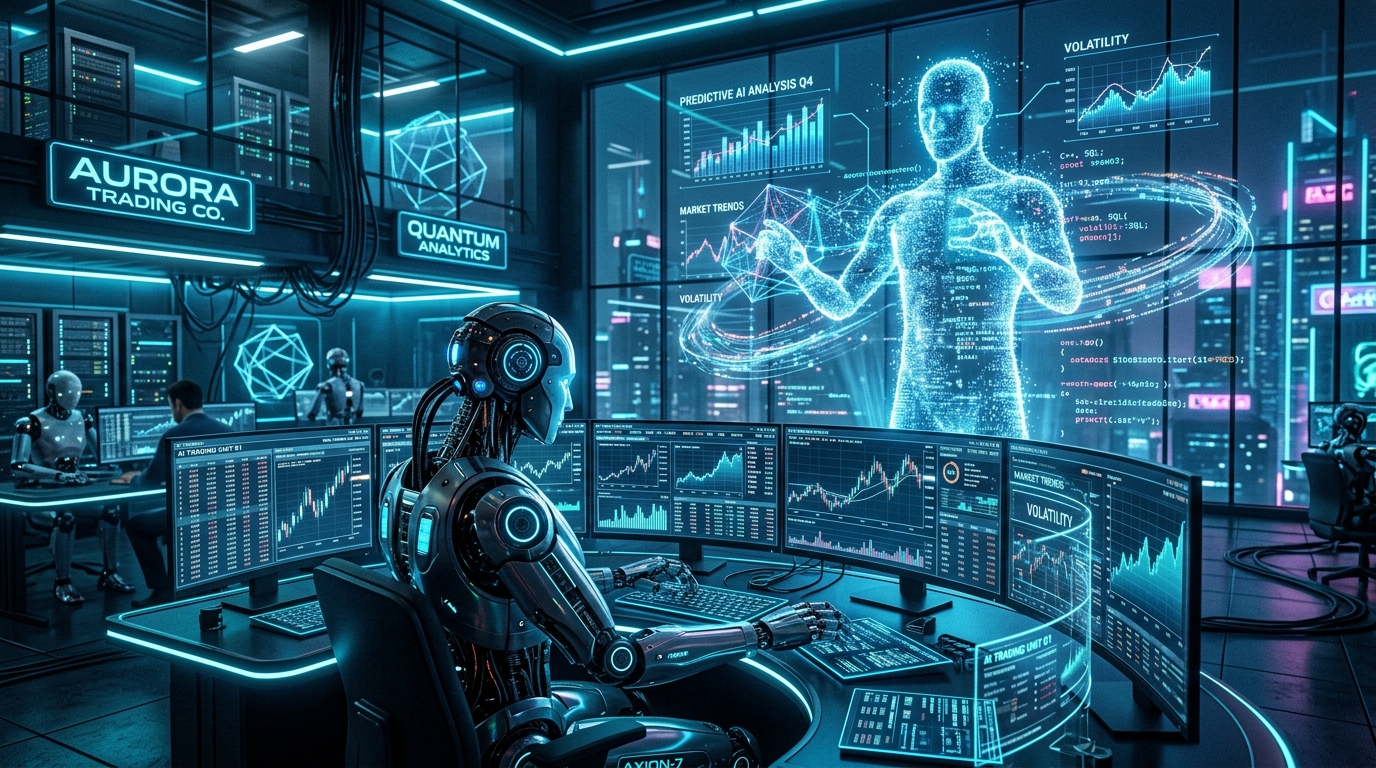
वित्तीय बाजारों में स्वचालन तेजी से व्यापार करने के तरीके को बदल रहा है। एल्गोरिदमिक ट्रेडिंग की नींव से लेकर जटिल मशीन-लर्निंग मॉडल के विकास तक, स्वचालित ट्रेडिंग सिस्टम अब संस्थागत और खुदरा व्यापारियों के लिए अनिवार्य हो गए हैं। इस लेख में, हम यह जानेंगे कि स्वचालित व्यापार वित्तीय बाजारों को कैसे बदल रहा है, इसकी प्रमुख तकनीकें, रणनीतियाँ, लाभ, चुनौतियाँ, और इस क्रांति के आसपास नैतिक विचार क्या हैं।
स्वचालित व्यापार का परिचय
स्वचालित व्यापार का तात्पर्य है कंप्यूटर सिस्टम का उपयोग करके पूर्व-प्रोग्राम किए गए एल्गोरिदम के आधार पर व्यापार निष्पादित करना, जिसमें मानव हस्तक्षेप नहीं होता। ये सिस्टम वास्तविक समय में बाजार डेटा का विश्लेषण करते हैं और उस गति और सटीकता से निर्णय लेते हैं जिसे मानव व्यापारी प्राप्त नहीं कर सकते। स्वचालित व्यापार का इतिहास 1970 के दशक के अंत से शुरू होता है, जब सरल नियम-आधारित सिस्टम थे, जो अब कृत्रिम बुद्धिमत्ता (AI) और मशीन लर्निंग को शामिल करते हुए जटिल प्लेटफार्मों में विकसित हो चुके हैं।
स्वचालित व्यापार में प्रौद्योगिकी की भूमिका
Technological advancements have significantly shaped the landscape of automated trading in India. The integration of AI and machine learning empowers trading systems to evolve and enhance their performance, effectively recognizing trends and refining strategies. High-frequency trading (HFT) capabilities, which enable the execution of numerous trades within seconds, have transformed the marketplace by capitalizing on tiny price variations. Furthermore, the emergence of cloud technology, extensive data analysis, and robust network infrastructures has allowed traders to implement these algorithms worldwide, gaining access to financial markets around the clock with minimal delays.
Understanding How Automated Trading Systems Operate
Automated trading systems are constructed using algorithms—collections of rules and directives programmed in various coding languages. These systems can vary from straightforward rule-based approaches, such as executing a buy order when a stock reaches a particular price, to intricate, AI-enhanced models that analyze past data to forecast future price trends.
Categories of automated trading systems include:
- Rule-Based Trading Systems: Carry out trades based on defined, specific conditions.
- AI-Driven Mechanisms: Evolving continuously, these systems refine their accuracy by processing extensive datasets over time.
- Integrated Systems: Fuse traditional strategies with advanced machine learning techniques to optimize trading outcomes.
- blog_three_question_4.subtitle_4: blog_three_question_4.desc_4
Varieties of Automated Trading Tactics
Every tactic is built on complex algorithms, necessitating meticulous calibration and robust risk management.
Automated trading employs various strategies tailored to market dynamics and individual objectives. Notable methods include:
- Arbitrage Techniques: These take advantage of discrepancies in prices across different markets or trading platforms.
- Momentum Trading Approaches: These concentrate on capitalizing on market trends, purchasing during upward movements and divesting during declines.
- Mean Reversion Approaches: Leverage the notion that asset prices tend to return to their average levels following notable fluctuations.
- Strategies for Market-Making: Earn from the difference between buying and selling prices by executing concurrent buy and sell transactions.
Advantages of Automated Trading Systems
Crypto Trading: A Path to Financial Freedom In today's fast-paced world, embracing crypto trading can be a transformative decision for your financial future. With platforms like Rastuxor, you gain access to an innovative marketplace that allows you to trade various cryptocurrencies seamlessly. This digital currency landscape offers unparalleled opportunities for growth and investment. Imagine the potential of diversifying your portfolio with assets that have shown remarkable resilience and growth over time. By engaging in crypto trading, you can take control of your finances, making informed decisions that align with your goals. The accessibility of trading tools and resources empowers you to learn and adapt, regardless of your prior experience. Join the ranks of savvy investors who are leveraging the power of technology to maximize their earning potential. With a supportive community and expert insights available at your fingertips, you can navigate the complexities of the crypto market confidently. Start your journey with Rastuxor today and unlock the door to endless possibilities.
Automated trading systems provide numerous advantages compared to traditional trading methods. The primary benefits include:
- गति और दक्षता: कंप्यूटर मानवों की तुलना में तेजी से व्यापार कर सकते हैं, अवसरों का लाभ उठाते हुए जो जल्दी गायब हो सकते हैं।
- मानव त्रुटियों में कमी: स्वचालित प्रणाली भावनात्मक निर्णय लेने और संज्ञानात्मक पूर्वाग्रहों को समाप्त करती है, जिससे परिणाम अधिक स्थिर होते हैं।
- 24/7 बाजार पहुंच: ये प्रणाली निरंतर कार्य कर सकती हैं, यह सुनिश्चित करते हुए कि व्यापारी कभी भी बाजार के अवसर को न चूकें।
- पुनः परीक्षण और अनुकूलन: व्यापारी अपनी रणनीतियों को लागू करने से पहले ऐतिहासिक डेटा का उपयोग करके उनका परीक्षण कर सकते हैं, प्रदर्शन को अनुकूलित करते हुए जोखिम को कम कर सकते हैं।
स्वचालित व्यापार के जोखिम और चुनौतियाँ
Unlock Your Financial Potential with Crypto Trading In today's digital age, crypto trading offers unparalleled opportunities for wealth creation. With platforms like Rastuxor, you can tap into the dynamic world of cryptocurrencies and take control of your financial future. Imagine being able to trade from the comfort of your home, accessing global markets 24/7. Crypto trading empowers you to diversify your investment portfolio beyond traditional assets. The potential for high returns is significant, especially in a market that never sleeps. Whether you are a seasoned investor or just starting out, the user-friendly interface and educational resources provided by Rastuxor make it easier than ever to navigate this exciting landscape. Join thousands of Indians who have embraced crypto trading as a viable path to financial independence. With the right strategies and tools, you can maximize your earnings and stay ahead in the fast-paced world of digital currency. Don't miss out on this chance to elevate your financial journey!
जहाँ स्वचालित व्यापार कई लाभ प्रदान करता है, वहीं इसके कुछ जोखिम भी हैं। प्रमुख चुनौतियाँ शामिल हैं:
- बाजार की अस्थिरता के जोखिम: Automated trading platforms can heighten market volatility, particularly in times of sudden downturns or flash crashes, where swift and extensive sell-offs may spiral beyond control.
- Sudden Market Crashes: For instance, in 2010, a trading algorithm triggered a rapid decline, erasing billions in mere minutes, showcasing the risks of automation.
- Systematic Errors: Technical glitches, system failures, or coding inaccuracies can lead to considerable financial setbacks for traders relying on automated systems.
- blog_three_question_7.subtitle_4: blog_three_question_7.desc_4
How Automated Trading Shapes Financial Markets in India
स्वचालित व्यापार ने बाजार की तरलता और दक्षता में उल्लेखनीय वृद्धि की है। यह तेजी से और अधिक बार व्यापार करने की अनुमति देकर संपत्ति वर्गों में तरलता को बेहतर बनाता है। हालांकि, मानव व्यापारियों की भूमिका कम होती जा रही है, क्योंकि मशीनें उन कार्यों को संभाल रही हैं जो पहले मैन्युअल रूप से किए जाते थे, जिससे वित्त क्षेत्र में नौकरी का बाजार बदल रहा है।
विभिन्न संपत्ति वर्गों में स्वचालित व्यापार
स्वचालित व्यापार प्रणाली बहुपरकारी हैं और विभिन्न बाजारों में काम करती हैं, जिसमें शामिल हैं:
- शेयर: स्टॉक ट्रेडिंग एल्गोरिदम सबसे विकसित में से एक हैं, जिसका उपयोग हेज फंड और व्यक्तिगत व्यापारी दोनों करते हैं।
- विदेशी मुद्रा: Automated trading platforms have revolutionized the cryptocurrency landscape, swiftly adapting to market fluctuations and regulatory updates.
- Commodities Trading: From spices to precious metals, commodities trading thrives on algorithmic strategies that capitalize on price disparities and market trends.
- Digital Currencies: The dynamic world of cryptocurrencies, marked by its rapid price shifts and non-stop trading hours, is ideal for intelligent trading algorithms that can act instantly.
Navigating Regulatory Landscapes
स्वचालित व्यापार का नियमन बाजार की स्थिरता सुनिश्चित करने के लिए अत्यंत आवश्यक है। नियामक संस्थाएं जैसे SEBI और RBI ने अत्यधिक गतिविधियों को रोकने और पारदर्शिता सुनिश्चित करने के लिए नियम लागू किए हैं। हालांकि, AI-संचालित प्रणालियों की बढ़ती जटिलता के साथ, नियामकों के लिए प्रौद्योगिकी के साथ कदम मिलाना चुनौतीपूर्ण हो रहा है। नैतिक चिंताएँ भी उठती हैं, विशेष रूप से एल्गोरिदम द्वारा बाजार में हेरफेर को रोकने में।
संस्थागत निवेशक स्वचालित व्यापार का कैसे लाभ उठा रहे हैं
संस्थागत निवेशक, विशेष रूप से हेज फंड और स्वामित्व व्यापार फर्में, प्रतिस्पर्धात्मक बढ़त प्राप्त करने के लिए स्वचालित व्यापार प्रणालियों पर निर्भर करते हैं। मात्रात्मक व्यापारी, या 'क्वांट्स', जटिल मॉडल विकसित करते हैं जो बड़े डेटा, AI, और मशीन लर्निंग को पारंपरिक व्यापार विधियों से बेहतर प्रदर्शन करने के लिए एकीकृत करते हैं। कुछ हेज फंड अपनी सफलता का बहुत कुछ स्वचालित प्रणालियों पर निर्भर करते हैं, जैसे कि Renaissance Technologies का Medallion Fund।
खुदरा निवेशकों के लिए स्वचालित व्यापार
हालिया प्रगति ने खुदरा निवेशकों के लिए स्वचालित व्यापार को लोकतांत्रिक बना दिया है। प्लेटफार्म जैसे MetaTrader और TradeStation व्यापार बॉट्स तक आसान पहुँच प्रदान करते हैं, जबकि सोशल ट्रेडिंग प्लेटफार्म उपयोगकर्ताओं को सफल व्यापारियों की रणनीतियों की नकल करने की अनुमति देते हैं। खुदरा व्यापारी अपनी रणनीतियों को स्वचालित करने के लिए कस्टम ट्रेडिंग बॉट खरीद सकते हैं या विकसित कर सकते हैं।
स्वचालित व्यापार का भविष्य
As the realms of AI and machine learning advance, so too will the intricacies of automated trading platforms. The advent of quantum computing, although nascent, promises to transform trading by enabling the rapid analysis of vast datasets beyond the capabilities of current technologies. In the coming decade, we anticipate a significant increase in automation's influence across financial markets, minimizing the reliance on human decision-making.
Ethical Dimensions of Automated Trading
Transparency plays a pivotal role in maintaining fairness and accessibility in automated trading. It is essential that algorithms are crafted to avert market manipulation and guarantee equal access to investment opportunities. Striking a balance between the advantages of automation and the necessity for ethical trading practices remains a continual challenge for both regulators and participants in the market.
Insights from Automated Trading Cases
- 2010 Flash Crash: This incident underscored the inherent risks associated with automated systems, as algorithms initiated widespread sell-offs that led to a dramatic market decline within minutes.
- उपलब्धियों की कहानियाँ: भारत में, कई निवेशक जैसे कि नितिन ने स्वचालन का उपयोग करके बाजार को लगातार पार किया है, जिससे वित्तीय क्षेत्र में नई मानक स्थापित हुए हैं।
अक्सर पूछे जाने वाले प्रश्न (FAQs)
- 1. स्वचालित व्यापार क्या है? स्वचालित व्यापार का अर्थ है ऐसे एल्गोरिदम का उपयोग करना जो मानव हस्तक्षेप के बिना ट्रेड निष्पादित करते हैं।
- 2. उच्च-आवृत्ति व्यापार और सामान्य व्यापार में क्या अंतर है? High-frequency trading is a strategy that executes numerous trades within seconds, leveraging minor fluctuations in prices for profit.
- 3. Is automated trading completely devoid of risk? No, while automated trading minimizes human errors, it is still subject to risks like technical glitches and unpredictable market changes.
- 4. Can individual investors access automated trading tools? Absolutely, various platforms enable individual investors to develop or utilize automated trading techniques effectively.
- 5. How do authorities keep track of automated trading activities? Regulatory authorities employ a variety of monitoring mechanisms, including advanced surveillance technologies and established regulatory frameworks.
- 6. Which technologies are essential for automated trading systems? Crucial technologies encompass artificial intelligence, deep learning, cloud services, and ultra-fast internet connectivity.
Conclusion: The Dynamic Evolution of Financial Markets through Automation
The rise of automated trading is reshaping financial markets, enhancing efficiency, expediting trade execution, and enabling advanced strategies. With ongoing advancements in AI, machine learning, and quantum computing, the future of automated trading will hinge on its capacity to innovate while ensuring market integrity.